EMRA Steel supports sourcing enquiries for Flat Products. Review product dimensions, grades, standards and inspection requirements before requesting a quotation. Confirm quantity, delivery destination and the required schedule with our sales team.
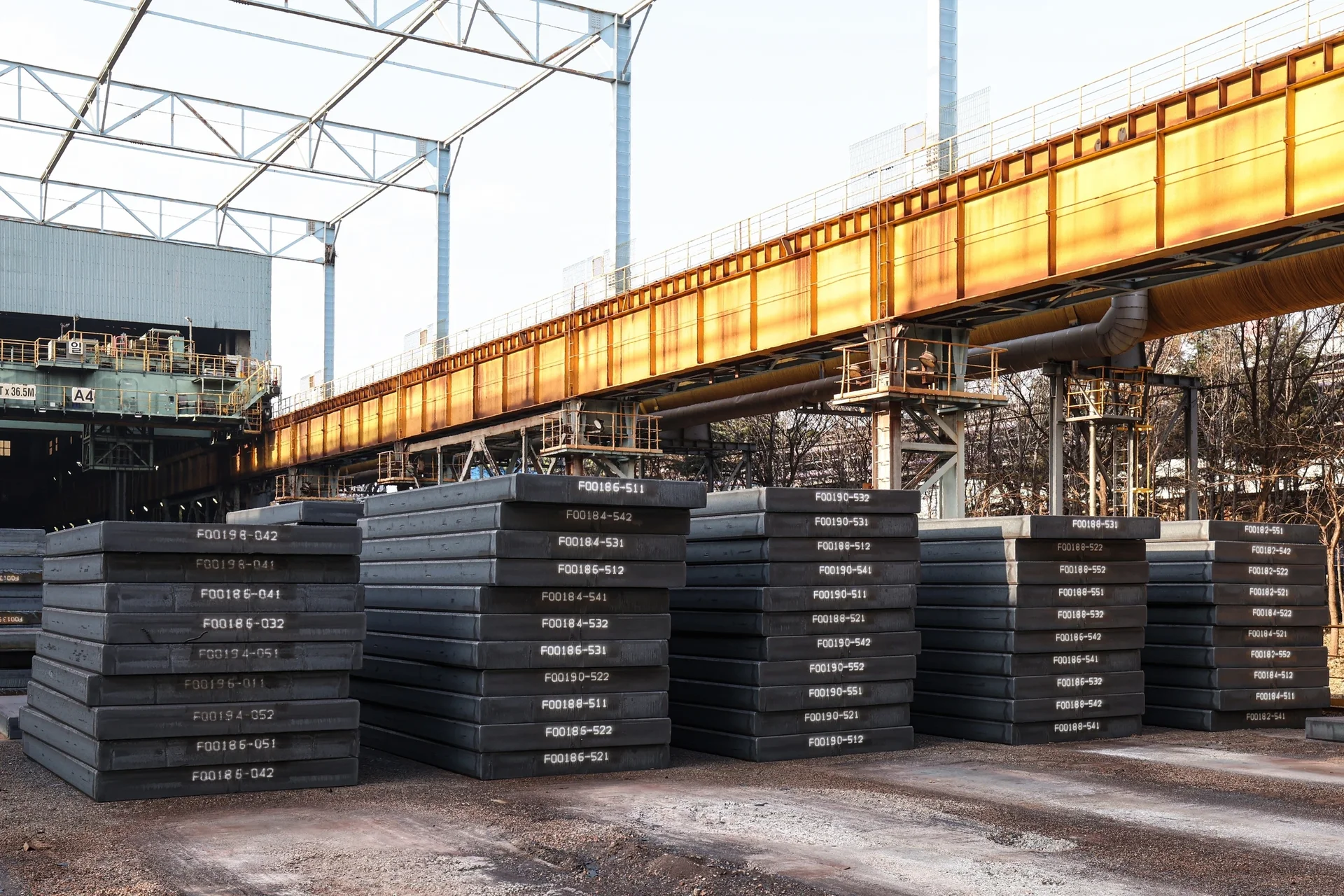
Steel slabs for flat-product rolling. Compare casting dimensions, chemistry and surface acceptance before requesting a quotation.
Grades and applicable standards
Agree the slab chemistry, residual-element limits, casting quality, heat identification and acceptance specification. The intended finished-product grade is a rolling target; EN 10025-2 for finished structural steel must not automatically be treated as a slab certification standard.
Specification and dimensions
Specify cast thickness × width × cut length, heat chemistry and the downstream rolling route. Examples use 200 or 250 mm thickness, 1000 to 2000 mm width and a 6000 mm reference length; confirm the casting mill's actual limits.
Applications and project requirements
Feedstock for hot-strip mills and plate rolling. Match slab dimensions, chemistry, surface condition and internal quality to the mill reheating, rolling and final-product requirements.
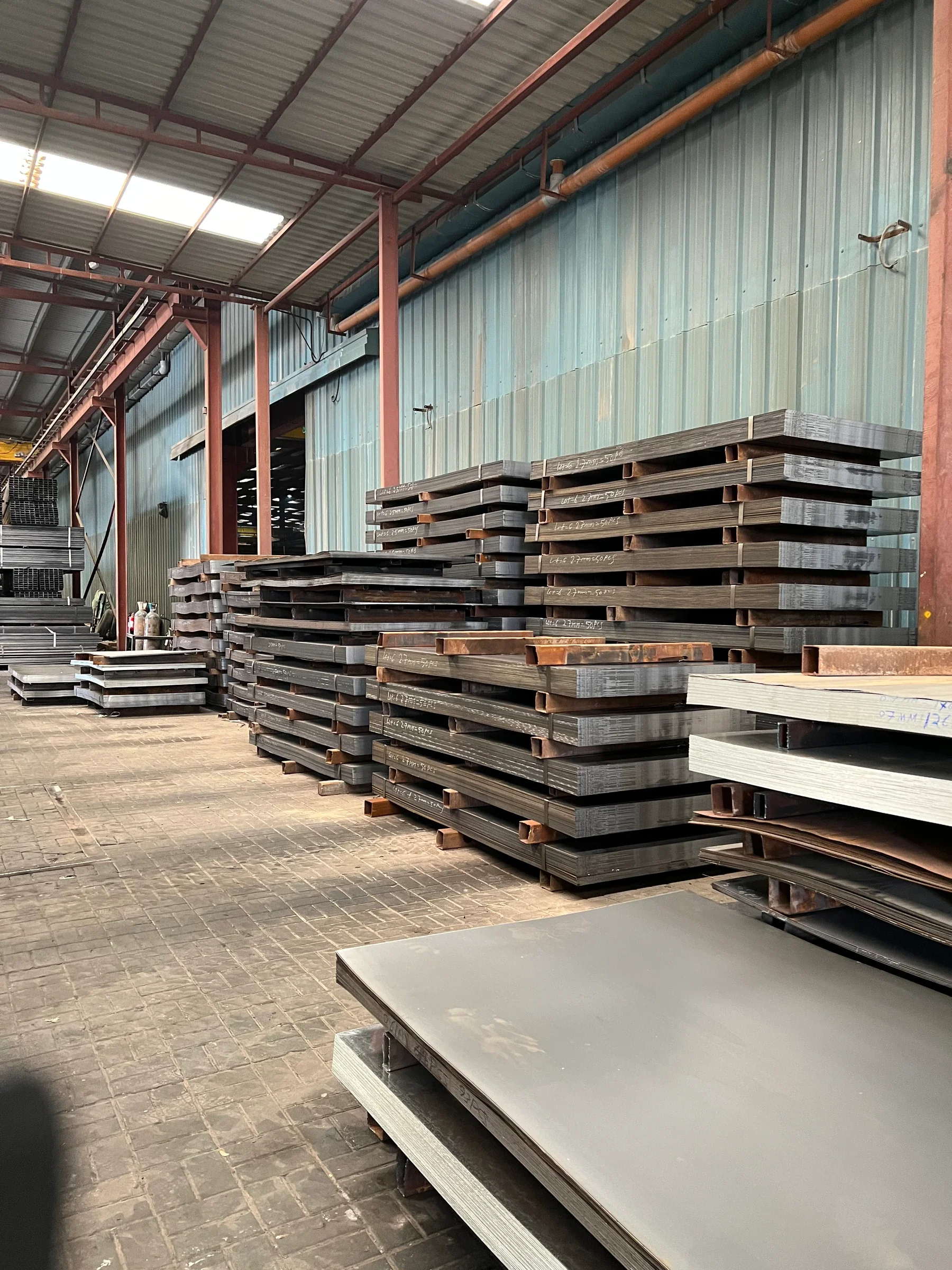
Heavy steel plates for fabrication and structural work. Review thickness, width, length, grade and theoretical plate weight.
Grades and applicable standards
For structural plate, specify a full grade such as S235JR, S275JR or S355J2 to EN 10025-2. EN 10029 addresses plate dimensional and shape tolerances. Pressure-vessel and shipbuilding uses require their own approved material specifications.
Specification and dimensions
Specify thickness × width × length, thickness tolerance class, flatness and edge condition. Plate examples below use 8 to 60 mm thickness and 6000 mm length. Distinguish individually rolled plate from sheet cut from wide strip.
Applications and project requirements
Fabricated frames, base plates, machinery and structural components. Welding, bending, service temperature and inspection requirements determine the appropriate material and delivery condition.
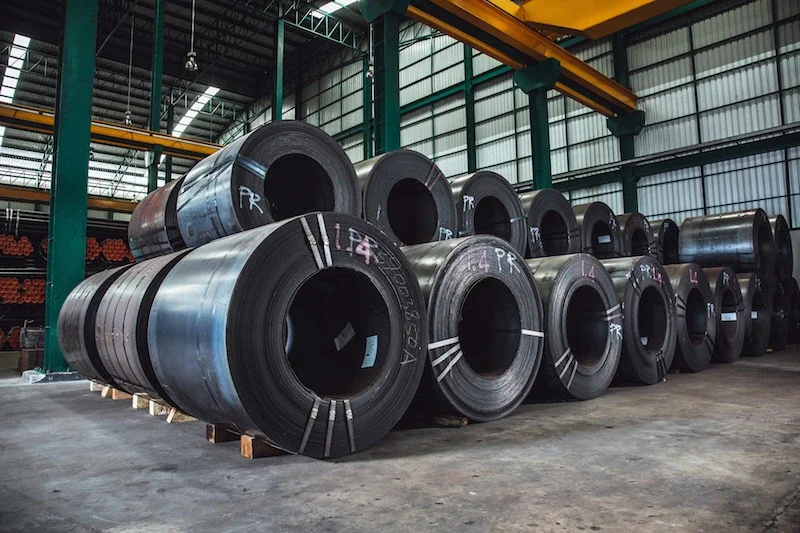
Hot-rolled sheet and coil for fabrication, forming and further processing. Specify thickness, width, surface condition and coil requirements.
Grades and applicable standards
Structural enquiries may specify S235JR or S355J2 to EN 10025-2. Forming enquiries may specify DD11 or DD12 to EN 10111. EN 10051 addresses continuously hot-rolled strip and cut-sheet dimensional and shape tolerances; these standards serve different purposes.
Specification and dimensions
For coil, state thickness × width, coil inner diameter, maximum outer diameter and permitted coil mass. For cut sheet, add length and flatness. Specify mill edge or trimmed edge, black surface or an agreed pickled condition.
Applications and project requirements
Formed and welded components, tube-making feedstock and general fabrication. Match strength, bendability, scale condition and edge quality to the production route.
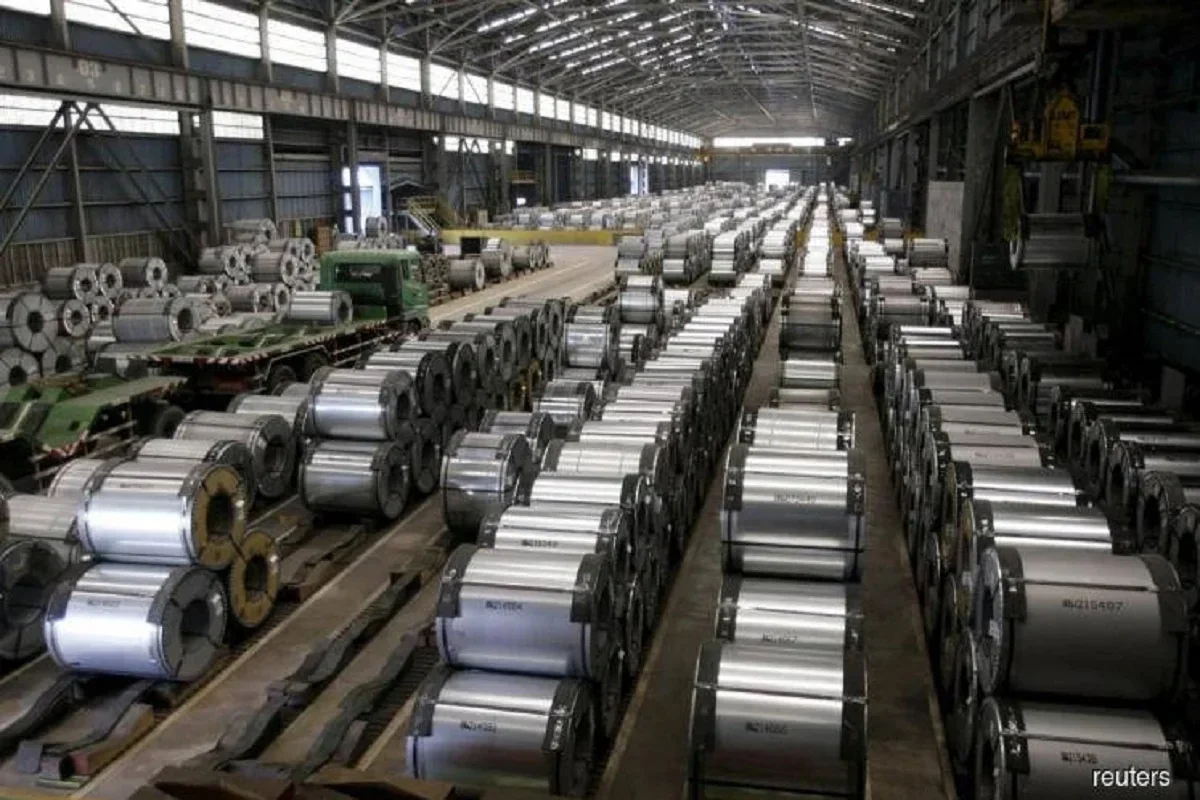
Cold-rolled sheet and coil for precision forming and visible components. Compare thickness, forming grade, surface finish and protective oiling.
Grades and applicable standards
For uncoated low-carbon forming steel, specify DC01 or DC04 to EN 10130 and the applicable EN 10131 dimensional and shape tolerances. If a JIS grade is requested, state the complete JIS G 3141 designation separately; grade equivalence must be technically agreed.
Specification and dimensions
State thickness × width, coil or cut-sheet form, surface quality and finish, oiling or dry delivery, edge condition and coil limits. Example thicknesses are 0.4 to 3 mm; confirm the ordered grade and dimensional tolerance scope.
Applications and project requirements
Appliance panels, formed components and selected automotive or general engineering parts. Drawing severity, visible-surface requirements and downstream coating determine the specification.